

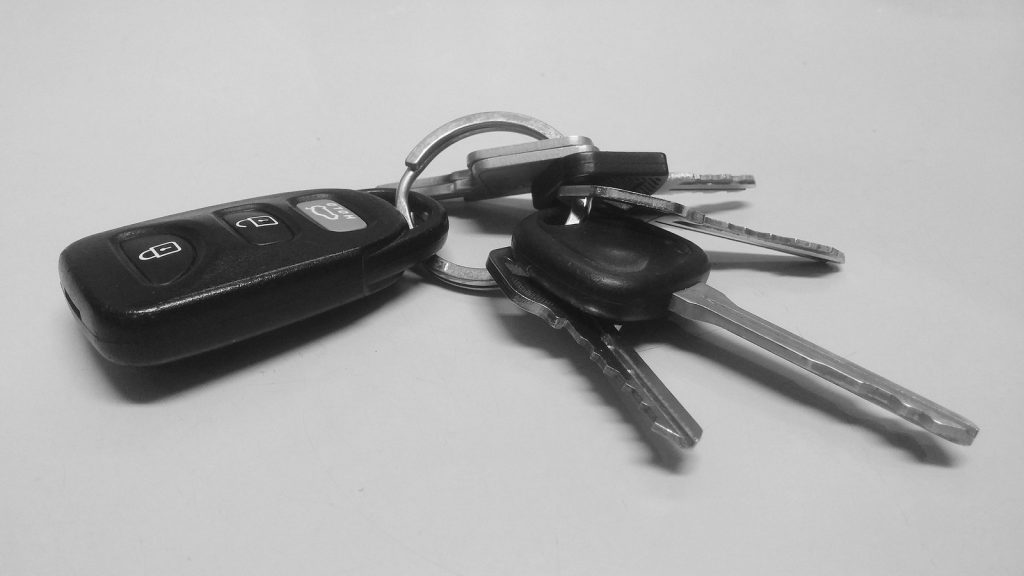
A key fob that stops working is one of those problems that feels bigger than it is. You press the button, nothing happens, and suddenly you’re standing in a car park wondering whether your car has developed a serious fault. In most cases, it hasn’t. Key fob problems are almost always down to one of a small number of causes, and most of them have a clear, simple fix.
We’re Keygrammer, a specialist mobile auto locksmith covering Peterborough and the surrounding area. We deal with key fob and transponder problems regularly, which means we’ve seen every cause and every symptom. This guide walks through the most common reasons a key fob stops working and what to do about each one.
If you’re stuck right now and need help fast, call 07723 427101 and we’ll talk you through it.
Start With the Most Likely Cause: a Flat Battery
The majority of key fob failures come down to a flat battery. Fob batteries are small, often CR2032 or CR2025 coin cells, and they don’t give much warning before they fail. One day the fob works fine, and the next it doesn’t respond at all.
Before assuming anything more serious, replace the battery. The correct battery type is usually printed inside the fob casing or listed in your vehicle’s handbook. Most car accessory shops, supermarkets, and pharmacies carry CR2032 cells.
A few things to check when replacing the battery: make sure the contacts inside the fob are clean and free of corrosion, that the new battery is seated the right way round, and that the casing clips back together properly. A poorly seated battery will give the same result as a flat one.
What If a New Battery Doesn’t Fix It?
If the fob still doesn’t respond after a fresh battery, the problem is something else. The most common causes at this point are a lost pairing between the fob and the vehicle, internal damage to the fob’s circuit board, or a fault with the car’s receiver. Each of these needs a different approach.
The Fob Has Lost Its Pairing With the Car
Key fobs communicate with your car using a stored code. When you press a button, the fob transmits this code and the car confirms it before responding. In some situations, this pairing can be lost. It happens most commonly after a battery replacement on older fob designs, after a dead car battery is replaced, or occasionally for no obvious reason.
When the pairing is lost, the physical key blade may still open the door and start the ignition, but the remote functions, central locking and boot release, won’t work. The fob itself is usually fine. It just needs reprogramming to the vehicle.
Reprogramming is something a specialist can do on site. Our car key programming service, covers fob pairing alongside transponder and smart key programming.
The Transponder Key Isn’t Being Recognised
Transponder keys are slightly different from remote fobs. The transponder is the chip inside the key that communicates with your car’s immobiliser when you turn the ignition. If the immobiliser doesn’t receive the correct signal, the engine won’t start, even if the key turns freely.
A transponder key that stops working is less often a battery issue and more often a pairing fault, a damaged chip, or an immobiliser problem on the vehicle’s side. The symptoms are usually: the key turns, the engine cranks but doesn’t start, or a small key or padlock warning light appears on the dashboard.
If you’re seeing any of these, don’t keep trying to start the car repeatedly. Some immobiliser systems lock out after a certain number of failed attempts. Call a specialist and describe what’s happening before doing anything else.
Physical Damage to the Fob
Key fobs take a lot of daily wear. Dropped on hard floors, run through the washing machine, sat on repeatedly, the internal circuit board is more fragile than the plastic casing suggests. If the fob has been dropped recently or exposed to water, physical damage to the electronics is a realistic cause.
In this case, the fob may need the circuit board replaced or the entire unit replacing. A new fob without the original to copy from needs to be programmed to your vehicle from scratch, which requires specialist equipment.
Signal Interference
Occasionally a fob stops responding in a specific location, usually a car park, and works fine elsewhere. This is almost always down to radio frequency interference from nearby equipment such as wireless transmitters, CCTV systems, or other electronic devices operating on similar frequencies.
If the fob works everywhere except one place, interference is the likely cause rather than a fault with the fob or the car. Moving a short distance away and testing again usually confirms it. This isn’t something that needs any repair.
A Fault With the Car’s Receiver
If the fob battery is fine, the pairing is intact, and there’s no physical damage, the fault may be on the vehicle’s side rather than the fob. The car’s receiver module, sometimes called the Body Control Module, handles the signal from the fob. A fault here means the car simply won’t register any fob input, regardless of what you do to the key.
This is less common than the causes above, but it does happen. Diagnosing it properly requires specialist diagnostic equipment connected to the vehicle’s systems. If you’ve exhausted the other options, this is worth investigating.
Smart Keys and Proximity Fobs
Modern keyless entry systems work differently from traditional remote fobs. A smart key or proximity fob communicates constantly with the car when it’s nearby, rather than only when a button is pressed. These systems are more complex and, when they fail, the symptoms are different.
Common signs of a smart key problem include: the car not detecting the key when you touch the door handle, push button start not responding, or a ‘key not detected’ message on the dashboard. A flat battery is still the first thing to check, since smart keys use batteries too. But smart key programming faults and receiver issues are also more common with these systems than with older fob designs.
When to Call a Specialist
If you’ve replaced the battery and the fob still doesn’t work, calling a specialist is the most efficient next step. Attempting to reprogram a fob yourself is possible on some older vehicles using specific button sequences, but the process varies by make and model, isn’t always reliable, and isn’t available at all on most modern cars.
A specialist auto locksmith can diagnose whether the fault is with the fob, the pairing, or the vehicle’s receiver, and carry out the relevant repair or reprogramming on site. For a fob that needs full replacement and programming, they’ll also ensure the new fob is properly paired before leaving.
If the fob issue is connected to a broader key replacement need, our car key replacement service, covers the full process including fob pairing.
For vehicles still under warranty, it’s worth checking whether a fob fault is covered before paying for a repair. The Motor Ombudsman provides guidance on what’s typically included under a manufacturer’s warranty, which can help you understand your rights before taking the car to a dealer.
Their consumer guidance is available at https://www.themotorombudsman.org/consumers
The Short Version
A key fob that stops working is usually a flat battery, a lost pairing, or minor physical damage. In most cases, replacing the battery and, if needed, reprogramming the fob is all it takes. The problem is only serious when the fault lies with the car’s receiver or with a transponder chip that’s failed entirely.
Keygrammer covers Peterborough and a 35-mile radius, available 24 hours a day. If your fob isn’t responding and you need it sorted today, call 07723 427101 and we’ll talk you through the likely cause and get someone to you.
frequently asked questions
Q1: Why is my car key fob not working?
The most common cause is a flat battery. Key fob batteries, usually CR2032 or CR2025 coin cells, can fail without much warning. Other causes include a lost pairing between the fob and the vehicle, physical damage to the fob’s internal circuit board, or occasionally a fault with the car’s receiver module. Replacing the battery is always the first step. If that doesn’t resolve it, the fob likely needs reprogramming or specialist diagnosis.
Q2: How do I fix a key fob that isn't working?
Start by replacing the battery with the correct type, usually printed inside the fob casing or listed in your vehicle handbook. Make sure the battery contacts are clean and the new cell is seated correctly. If the fob still doesn’t respond, it may have lost its pairing with the vehicle and need reprogramming. A specialist auto locksmith can reprogram most fobs on site without needing to take the car anywhere.
Q3: Why does my key fob work sometimes and not others?
Intermittent fob problems are often caused by a battery that’s low rather than completely flat, causing inconsistent signal strength. Physical damage to the circuit board, such as a hairline crack from being dropped, can also cause intermittent faults. In some locations, radio frequency interference from nearby equipment can temporarily block the fob’s signal. If the problem is location-specific, interference is likely. If it’s random, a weak battery or internal damage is more probable.
Q4: My key fob stopped working after I changed the battery. Why?
Some fob designs lose their pairing with the car when the battery is completely removed and replaced. The fob may be physically fine but need reprogramming before it works again. Make sure the new battery is the correct type and is seated the right way round. If it still doesn’t respond after that, the fob needs to be repaired to your vehicle by a specialist.
Q5: Can I reprogram my key fob myself?
On some older vehicles, it’s possible to reprogram a fob using a specific button sequence or ignition cycle, but the procedure varies by make and model and isn’t always reliable. Most modern vehicles require specialist diagnostic equipment to reprogram a fob, and attempting a self-reprogramming sequence incorrectly can sometimes cause further issues. If you’re not sure whether your vehicle supports self-programming, it’s usually faster and safer to call a specialist.
Q6: My car key fob isn't locking or unlocking the car but the key still works. What's wrong?
This usually means the remote function has failed while the physical key and transponder are still working correctly. The most common causes are a flat fob battery, a lost remote pairing, or a fault with the fob’s transmitter. The good news is the car can still be operated with the physical key in the meantime. A specialist can diagnose whether it’s a battery issue, a pairing fault, or an internal fob fault and resolve it on site.
Q7: Why won't my transponder key start my car?
If your transponder key turns in the ignition but the engine won’t start, the immobiliser isn’t recognising the transponder chip’s signal. This can happen if the chip has lost its programming, if the chip is damaged, or if there’s a fault with the immobiliser receiver in the car. A key warning light on the dashboard is a common sign. Don’t keep attempting to start the car repeatedly, as some systems lock out after a number of failed attempts. Call a specialist to diagnose the fault.
Q8: How much does it cost to replace a key fob?
Key fob replacement cost depends on the type of fob and your vehicle’s make and model. A simple fob battery replacement costs just a few pounds. Reprogramming a fob that’s lost its pairing typically costs between £50 and £150. A full fob replacement including cutting and programming usually sits between £100 and £320, depending on the vehicle. Call Keygrammer on 07723 427101 for a quote specific to your car before committing to any work.
Q9: Can a locksmith fix a key fob that's stopped working?
Yes. A specialist auto locksmith can diagnose and repair most key fob problems on site, including battery replacement, reprogramming a fob that’s lost its vehicle pairing, replacing a damaged fob, and programming a new fob from scratch. They carry the diagnostic equipment to identify whether the fault is with the fob itself or with the car’s receiver, which means you get an accurate diagnosis rather than guesswork.
Q10: My smart key says 'key not detected'. What does that mean?
A ‘key not detected’ message usually means the car isn’t receiving a signal from the proximity fob. The most common cause is a flat fob battery, since smart keys use batteries just like traditional fobs. Try holding the fob closer to the start button or door handle sensor. If replacing the battery doesn’t resolve it, the fob may have lost its programming or there may be a fault with the car’s keyless entry receiver.
Q11: Does water damage ruin a key fob?
Water damage can cause a key fob to stop working if moisture reaches the internal circuit board. In some cases, allowing the fob to dry out completely restores function. In others, the circuit board is permanently damaged and the fob needs replacing. If the fob has been submerged or soaked, remove the battery immediately to prevent further damage and allow it to dry fully before testing. If it still doesn’t work after drying, the board is likely damaged.
Q12: Can you fix a key fob that isn't working near Peterborough?
Yes. Keygrammer covers Peterborough and a 35-mile radius, operating 24 hours a day. We come to your location, diagnose the fault, and carry out the repair or reprogramming on site. Call 07723 427101 for a quote and we’ll confirm availability and an estimated arrival time based on your exact location.