

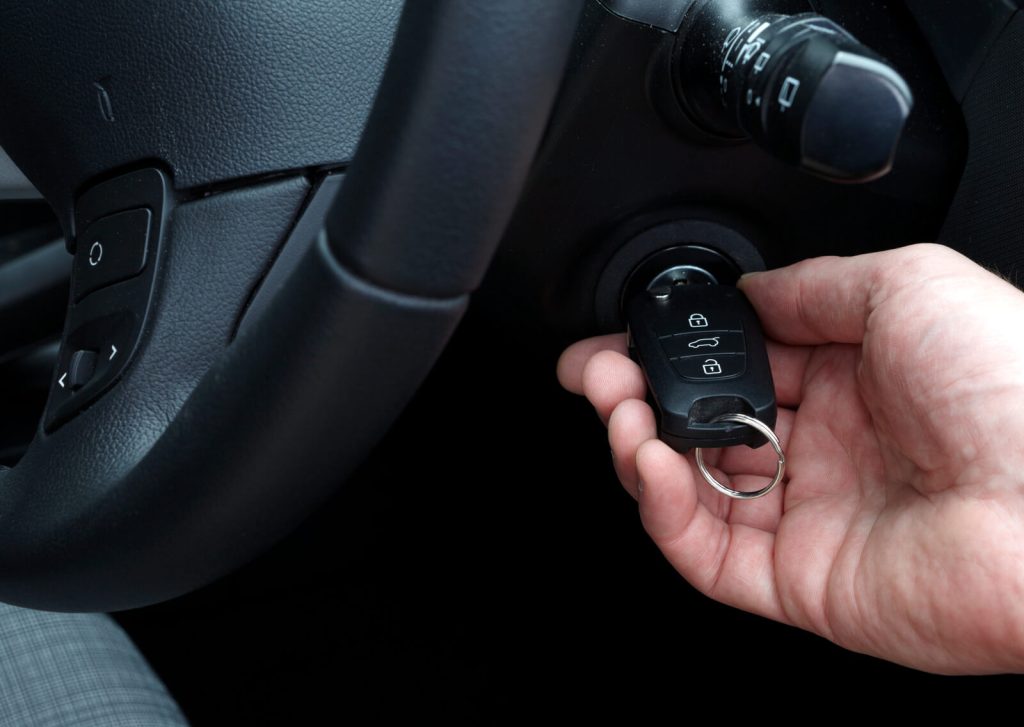
A car key that stops working is one of those problems that can mean several different things, and knowing which one you’re dealing with makes a significant difference to what you do next. A fob that won’t lock the car remotely is a different problem to a key that turns in the ignition but doesn’t start the engine, which is different again to a key that physically won’t turn at all. They can look the same from the outside but they have very different causes.
We’re Keygrammer, a specialist mobile auto locksmith covering Peterborough and the surrounding area. We deal with failed keys, unresponsive fobs, and ignition problems regularly, which means we’ve seen every version of this situation. This guide works through the most common causes by symptom so you can identify what’s actually happening and know what to do.
If you need help right now, call 07723 427101 and we’ll talk you through it.
The Key Fob Isn’t Responding
If pressing the buttons on your key fob does nothing, the most likely cause is a flat battery. Fob batteries are small coin cells, usually CR2032 or CR2025, and they give little warning before failing. Replacing the battery is the first thing to try. The battery type is printed inside the fob casing or listed in the vehicle handbook.
If the battery is new and the fob still doesn’t respond, the problem may be a lost pairing between the fob and the car. This sometimes happens after a battery change on certain fob designs. The fob is usually undamaged. It simply needs reprogramming to the vehicle.
A fob that works in some locations and not others is almost certainly suffering from radio frequency interference rather than a fault. Try walking a short distance from where you are and testing again. If it works elsewhere, interference from nearby equipment is the cause rather than anything wrong with the fob or car.
The Key Turns in the Ignition But the Car Won’t Start
This is the symptom that causes the most confusion, because drivers often assume the key is fine when it turns. On a modern vehicle, turning the key in the ignition is only half the equation. The car also needs to recognise the transponder chip inside the key before the engine will start.
If the immobiliser doesn’t receive the correct signal from the transponder, the engine won’t fire even though the key turns. A small warning light on the dashboard, often shaped like a padlock or a car with a key, is usually the signal that the immobiliser has rejected the key. This can happen if the chip has lost its programming, if the chip is damaged, or if there’s a fault with the car’s receiver.
Don’t keep trying to start the car repeatedly if you see this warning light. Some immobiliser systems lock out after a set number of failed attempts. Call a specialist and describe exactly what you’re seeing before doing anything else.
The Key Won’t Turn in the Ignition
A key that physically won’t turn in the ignition barrel usually has one of three causes. The most common on older vehicles is a worn or damaged ignition barrel. The internal components of the barrel wear over time, particularly if the same key has been used for years, and eventually the blade can’t engage the mechanism properly.
The second common cause is the steering lock. Most vehicles have a steering lock that engages when the wheel is turned after the ignition is switched off. If the wheel has pressure on it, the steering lock can bind against the ignition barrel and prevent the key from turning. Try turning the steering wheel slightly in both directions while gently trying to turn the key. This releases the pressure and usually frees the barrel.
The third cause is a worn or damaged key blade. Keys wear down over years of use, particularly if they’re on a heavy keyring that pulls constantly on the barrel. If the blade looks visibly worn, bent, or different from a spare key, that’s likely the cause.
If the ignition barrel itself is the problem, our ignition barrel repair service, covers diagnosis, repair, and replacement on site.
The Key Opens the Door But Won’t Start the Engine
If the physical key blade opens the door lock but the car won’t start, the issue is almost certainly with the transponder chip rather than the key itself. The door lock is mechanical and responds to the blade profile. The ignition start system is electronic and responds to the chip signal. They work independently.
A key that opens the door but won’t start the car either has a failed transponder chip, has lost its programming to the vehicle, or has a dead battery in the fob section of a combined key fob unit. A specialist can diagnose which of these applies in a few minutes.
The Fob Works But the Key Won’t Open the Door
If the remote fob locks and unlocks the car but the physical key blade won’t turn in the door lock, the door lock barrel may be worn or have developed a fault. This is less common but does occur, particularly on higher mileage vehicles or in cold weather when internal mechanisms can seize.
It can also indicate that the key blade itself is worn and no longer matches the door lock profile precisely, even though it still works in the ignition. Try any spare keys you have. If a spare works but the main key doesn’t, the blade is the problem rather than the lock.
The Key Was Fine Yesterday and Has Stopped Working Today
Sudden failures without any obvious cause are usually one of three things: a fob battery that has finally run flat, a transponder chip that has failed internally, or an immobiliser fault on the vehicle’s side. All three can appear to come from nowhere.
A fob battery going flat is the most common cause of what feels like a sudden failure. Replace it first before assuming anything else is wrong. If the battery is fresh and the problem persists, the issue is more likely to be the chip or the immobiliser, and a diagnostic check is the next step.
For a full breakdown of why key fobs fail and how each fault is fixed, see our guide on car key fob not working
What Not to Do When Your Car Key Stops Working
Don’t force a key that won’t turn. If the key is catching in the ignition or door lock, forcing it risks snapping the blade inside the barrel, which turns a manageable problem into a significantly worse one. The same applies to wiggling a key aggressively in a door lock.
Don’t keep trying the ignition if the immobiliser warning light is showing. Some systems lock out after repeated failed attempts and require a specific reset process.
Don’t assume the worst before checking the simple things. A large proportion of car key problems are resolved by replacing the fob battery, releasing the steering lock, or having the fob reprogrammed, none of which require expensive parts or lengthy repairs.
If your vehicle is relatively new and still under a manufacturer warranty, it’s worth checking whether a key fault might be covered. The Motor Ombudsman provides consumer guidance on what’s typically included under vehicle warranties.
Their resources are at https://www.themotorombudsman.org/consumers
The Bottom Line
A car key not working is almost always one of a small number of fixable faults: a flat fob battery, a lost transponder pairing, a worn key blade, a steering lock engagement, or a worn ignition barrel. Matching the symptom to the cause is the first step, and most of these are straightforward once you know what you’re dealing with.
Keygrammer covers Peterborough and a 35-mile radius, available 24 hours a day. If your key has stopped working and you’re not sure why, call 07723 427101 and we’ll diagnose it over the phone and get someone to you if needed.
Car Key Not Working — Frequently Asked Questions
Q1: Why is my car key not working?
A car key that stops working can have several causes depending on the symptom. A fob that won’t respond remotely is usually a flat battery or lost pairing. A key that turns but won’t start the car usually indicates a transponder chip fault or immobiliser issue. A key that won’t turn in the ignition at all may be a worn barrel, a steering lock engagement, or a worn blade. Identifying the specific symptom is the first step to finding the right fix.
Q2: Why is my car key fob not working?
The most common cause of a car key fob not working is a flat battery. Replace the battery with the correct type, usually a CR2032 coin cell, and check the contacts are clean and the battery is seated correctly. If the fob still doesn’t respond, it may have lost its pairing with the vehicle and need reprogramming. In some locations, radio frequency interference can also temporarily block a fob’s signal.
Q3: Why won't my transponder key start the car?
If your transponder key turns in the ignition but the car won’t start, the immobiliser isn’t recognising the chip’s signal. This can happen if the chip has lost its programming, if the chip is damaged internally, or if there’s a fault with the car’s immobiliser receiver. A key warning light on the dashboard is a common sign. Don’t keep trying to start the car repeatedly, as some systems lock out after a number of failed attempts.
Q4: Why won't my car key turn in the ignition?
The most common cause of a car key not turning in the ignition is the steering lock engaging and putting pressure on the barrel. Try turning the steering wheel slightly in both directions while gently attempting to turn the key. If that doesn’t help, the ignition barrel may be worn and no longer engaging correctly with the blade, or the key blade itself may be too worn to operate the mechanism.
Q5: My car key opens the door but won't start the engine. What's wrong?
This usually means the physical blade is fine but the transponder chip isn’t being recognised by the immobiliser. The door lock responds to the blade profile mechanically. The ignition start requires the chip to broadcast the correct code electronically. These are separate systems. The chip may have failed, lost its programming, or the fob battery in a combined key unit may be dead.
Q6: My car key stopped working suddenly. What could have caused it?
Sudden key failures are most commonly caused by a fob battery running flat, a transponder chip failing internally, or an immobiliser fault on the vehicle’s side. Replace the fob battery first, since this is the most frequent cause of what feels like a sudden unexplained failure. If the battery is new and the problem persists, the issue is more likely to be the chip or the immobiliser.
Q7: Why won't my key fob lock or unlock the car even though the car starts fine?
If the car starts normally but the fob remote functions don’t work, the transponder chip is likely intact but the fob’s remote transmitter has a fault. This could be a flat fob battery, a lost pairing for the remote functions, or damage to the fob’s internal circuit board. The physical key and transponder are working, but the wireless remote element of the fob needs attention.
Q8: Can a worn car key cause ignition problems?
Yes. A key blade wears down over years of use, particularly if it’s on a heavy keyring that puts constant sideways pressure on the barrel. A worn blade may not engage the ignition barrel’s internal mechanism correctly, making it difficult or impossible to turn. If a spare key works where the main key doesn’t, the blade is almost certainly the cause.
Q9: How do I fix a car key that won't turn in the ignition?
First, try releasing the steering lock by turning the steering wheel slightly in both directions while gently attempting to turn the key. This resolves the problem in many cases where the wheel was turned after the ignition was switched off. If the barrel is genuinely worn or the key blade is damaged, a specialist can assess whether the barrel needs repair or replacement and whether a new key needs cutting.
Q10: Can a locksmith fix a car key that has stopped working?
Yes. A specialist auto locksmith can diagnose most car key problems on site, including fob reprogramming, transponder chip diagnosis, key blade replacement, and ignition barrel repair or replacement. They carry the diagnostic equipment to identify whether the fault is with the key itself, the fob’s electronics, or the vehicle’s immobiliser and receiver systems.
Q11: What should I do if my car key stopped working near Peterborough?
Call Keygrammer on 07723 427101. We cover Peterborough and a 35-mile radius, operating 24 hours a day. We’ll ask you to describe the exact symptom, which helps us work out the likely cause before we arrive, and give you a fixed quote over the phone. Most key faults are resolved in a single visit at your location.
Q12: Is it dangerous to force a car key that won't turn?
Yes. Forcing a key that won’t turn risks snapping the blade inside the ignition barrel or door lock, which turns a manageable problem into a significantly worse one. If the key is catching or refusing to turn, apply only gentle pressure while trying the steering wheel technique for the ignition. If it still won’t turn, stop and call a specialist rather than risking a broken blade.