

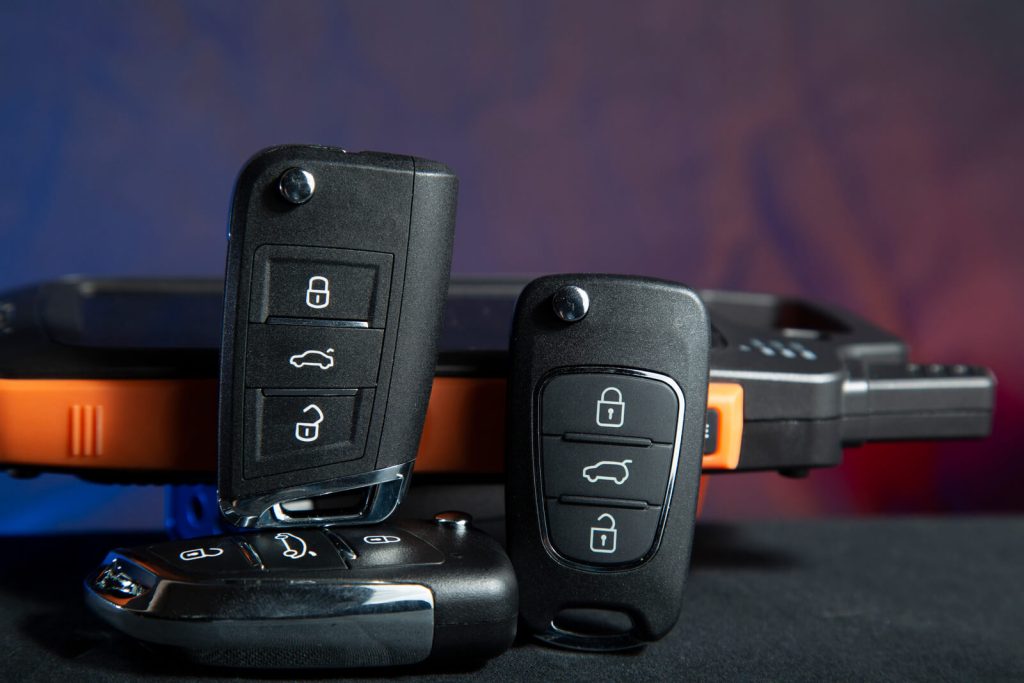
Getting a spare key cut used to be a ten-minute job at any locksmith or key kiosk. For older vehicles with simple mechanical keys, it still is. For most cars made in the last twenty to twenty-five years, it’s a more involved process, and walking into the wrong place can leave you with a key that opens the door but won’t start the car.
Whether you want to copy a car key as a sensible precaution, because you’re down to your last key, or because you’ve already lost one and need a replacement, the approach depends entirely on what type of key your vehicle uses. The blade is only half the job.
This guide covers what car key copying actually involves for different key types, what’s genuinely possible, what isn’t, and what you should expect to pay.
What Copying a Car Key Actually Involves
For a basic mechanical key, with no chip and no remote, copying is straightforward. A locksmith traces the blade profile and cuts a matching blank. That’s the whole job. It takes a few minutes and costs very little.
For any vehicle with an immobiliser, which covers most cars built after 1995, copying the blade is only the first step. The replacement key also needs a transponder chip programmed to match the car’s immobiliser system. Without this step, the blade will turn in the lock and ignition but the engine won’t start.
This is where the distinction between a key cut and a key copy becomes important. A key cut gives you a blade. A proper car key duplication gives you a fully working spare, blade and chip together, that the car actually recognises.
Can You Copy a Car Key With a Chip?
Yes, but the method depends on the vehicle. There are two approaches: programming and cloning.
Programming
This is the standard method for most modern vehicles. The new key’s chip is programmed directly to the car’s immobiliser system via the OBD port, using specialist diagnostic equipment. The car effectively learns the new key and adds it to its list of authorised keys alongside any existing ones.
This is the approach used by main dealers and by well-equipped mobile auto locksmiths. It works on virtually all modern vehicles and produces a fully authorised key that operates exactly like the original.
Cloning
Cloning copies the transponder data from an existing chip onto a new blank chip, without involving the vehicle’s own system. It’s faster and doesn’t require the car to be present, but it only works on older fixed-code transponder systems. Most vehicles manufactured after around 2000 use rolling or encrypted codes that can’t be cloned this way.
Cloning is still offered by some key kiosks and cheaper services, but it’s not viable for the majority of vehicles on UK roads today. If someone offers to clone your modern car key quickly and cheaply without connecting to your vehicle, be sceptical about whether the result will actually work.
For a full explanation of how transponder programming works and what systems we cover, see our car key programming service page.
What About Remote Fobs and Smart Keys?
Remote key fobs, the kind with buttons for central locking, combine a transponder chip with a radio transmitter. Copying one means cutting the blade, programming the chip, and pairing the remote functions. All three steps are usually handled in a single visit by a specialist.
Smart keys, also called proximity keys or keyless entry fobs, are more complex. They communicate constantly with the car and require manufacturer-level programming protocols. These can’t be copied at a key kiosk and aren’t suited to cloning. A mobile auto locksmith with the right diagnostic equipment can add a spare smart key on site, but it’s a more involved job than a standard transponder key.
Do You Need the Original Key to Get a Copy Made?
For blade cutting, yes. The locksmith needs either the original key to trace or access to key code data for your vehicle to cut a matching profile.
For programming, having at least one working key makes the job simpler. The new key is added to the car’s immobiliser register alongside the existing one. If you’ve lost every key, the process is more involved. The locksmith needs to read the immobiliser data directly from the vehicle and generate a key from scratch, without any original to copy from.
This all keys lost scenario is a different job from a standard spare key duplication. Our all keys lost service, covers what that process involves.
Where to Get a Car Key Copied
For modern vehicles, the realistic options are a main dealer, a specialist auto locksmith, or, for older simple keys, a key cutting kiosk.
Main dealers can handle any key their brand produces, but costs are high and lead times can be days. They often need the car brought in and may order the blank in advance rather than holding stock.
A specialist mobile auto locksmith carries the blanks and programming equipment to handle the vast majority of vehicles on site. They come to your location, complete the cutting and programming in a single visit, and typically cost significantly less than the dealer for the same result.
Key cutting kiosks, including those found in supermarkets and hardware stores, are suitable for basic mechanical keys only. They can’t program transponder chips and shouldn’t be the first call for any vehicle made in the last twenty-five years.
What It Costs to Copy a Car Key
Cost depends on the key type and your vehicle’s make and model. A basic mechanical key copy costs very little. A transponder key copy, including cutting and programming, typically sits between £80 and £180 with a specialist locksmith for most common vehicles. Remote fobs and smart keys sit higher due to the additional programming complexity.
Getting a spare cut while you still have a working key is always cheaper than replacing a lost key from scratch. The all keys lost process takes longer and costs more because it requires reading the immobiliser data directly from the vehicle rather than simply adding a new key alongside an existing one.
For a full breakdown of how costs vary by key type, our car key replacement cost guide, covers the numbers in detail.
If you’re concerned about vehicle security when having a spare key made, the National Vehicle Crime Intelligence Service publishes guidance on protecting your vehicle from key-related theft, including advice on immobiliser security.
Their resources are available through the https://navcis.police.uk/
The Short Version
Yes, you can copy a car key for most vehicles, but for anything made in the last twenty-five years, copying the blade is only half the job. The chip needs programming too, and that requires specialist equipment. A key kiosk won’t cut it for a modern car, literally or otherwise.
Keygrammer covers Peterborough and a 35-mile radius, available 24 hours a day. If you want a spare key cut and programmed, or need a replacement after losing your only key, call 07723 427101 for a fixed quote before we set off.
Copy Car Key — Frequently Asked Questions
Q1: Can you copy a car key?
Yes, for most vehicles, but the process depends on the type of key your car uses. Basic mechanical keys with no chip can be copied simply by cutting a matching blade. Keys with a transponder chip, which covers most vehicles made after 1995, also need the chip programmed to the car’s immobiliser system. Without programming, the blade will turn in the ignition but the engine won’t start.
Q2: Can you copy a car key with a chip in it?
Yes. There are two methods: programming and cloning. Programming links a new chip to the car’s immobiliser via specialist diagnostic equipment and works on virtually all modern vehicles. Cloning copies the chip data from an existing key and works only on older fixed-code transponder systems, not on most vehicles made after around 2000. For modern cars, programming is the correct and reliable method.
Q3: Can I get a duplicate car key made?
Yes. A specialist auto locksmith can cut and program a duplicate car key at your location, covering both the blade profile and the transponder chip in a single visit. For most common vehicles, this is completed within an hour. You’ll need to provide proof of vehicle ownership before any key is made, as this is standard practice for any reputable locksmith.
Q4: How much does it cost to copy a car key?
Cost depends on the key type and your vehicle’s make and model. A basic mechanical key with no chip is very inexpensive. A transponder key duplication including cutting and programming typically costs between £80 and £180 from a specialist locksmith for most common vehicles. Remote fobs and smart keys sit higher due to additional programming complexity. Call Keygrammer on 07723 427101 for a fixed quote specific to your vehicle.
Q5: Where can I get a spare car key cut near me?
For modern vehicles with transponder chips, a specialist auto locksmith is the best option. They carry both the key blanks and the programming equipment to complete the job on site. Main dealers can also do it but typically charge more and require advance notice or parts ordering. Key cutting kiosks in supermarkets and hardware stores are only suitable for basic mechanical keys with no chip.
Q6: Do I need the original key to copy a car key?
For cutting the blade, yes. The locksmith needs either the original key to trace or access to key code data for your vehicle. For programming, having at least one working key makes the process simpler. If you’ve lost every key, the locksmith can still create a new one from scratch by reading the immobiliser data from the vehicle, but this all keys lost process takes longer and costs more.
Q7: Can a locksmith copy a car key without the original?
Not in the traditional sense. Without an original to trace, the blade must be cut using key code data for the vehicle. A specialist auto locksmith with access to automotive key code databases can do this for most common makes and models. The chip still needs to be programmed to the vehicle regardless. If all keys are lost, the full all keys lost process applies.
Q8: Is it better to get a spare car key from a locksmith or a dealer?
A specialist mobile auto locksmith is usually better value and more convenient for most drivers. They come to your location, carry the blanks and programming equipment, and complete the job in a single visit for significantly less than a main dealer typically charges. The result is identical. A dealer may be preferable only for very new models where aftermarket blanks aren’t yet widely available.
Q9: How long does it take to copy a car key?
A basic mechanical key can be copied in a few minutes. A transponder key duplication, including cutting and programming, typically takes 30 to 60 minutes on site. Remote fobs with central locking functions may take a little longer if both the transponder and remote pairing need to be set up. Smart key duplication is more involved and may take up to 90 minutes.
Q10: Can I get a spare car key cut near Peterborough?
Yes. Keygrammer covers Peterborough and a 35-mile radius, operating 24 hours a day. We come to your location, cut and program the spare on site, and most jobs are completed within the hour. Call 07723 427101 for a fixed quote and confirmation of availability for your specific vehicle.
Q11: What's the difference between car key duplication and car key replacement?
Car key duplication means creating a spare copy while at least one working key exists. The new key is added to the car’s immobiliser register alongside the existing one. Car key replacement, particularly when all keys are lost, involves a more complex process of reading the immobiliser data from the vehicle and generating a key from scratch. Duplication is quicker and less expensive than replacement from scratch.
Q12: Is it worth getting a spare car key cut?
Yes. Getting a spare cut while you still have a working key is significantly cheaper and quicker than replacing a lost key from scratch. A future lockout becomes a straightforward fix rather than an emergency. It’s one of the most practical things any driver can do, particularly if you’re down to one working key.