

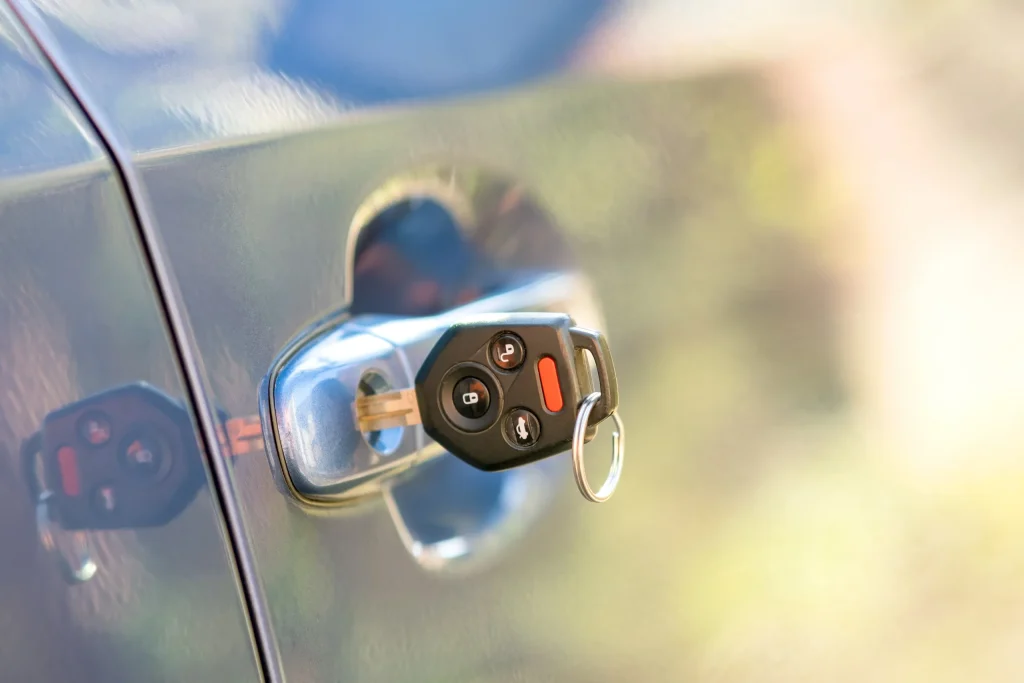
It happens fast. You shut the door, hear the click, and realise immediately that your keys are on the other side of it. Or you reach into your pocket and find nothing there. Either way, the feeling is the same: a jolt of panic, followed by the uncomfortable question of what to do next.
The good news is that being locked out of your car is one of the most common vehicle problems on UK roads, and it has a clear, straightforward fix. The bad news is that stress tends to make people make poor decisions, from trying DIY methods that don’t work on modern cars to calling the first number they find without checking whether it’s legitimate.
This guide covers every lockout scenario, tells you what to do first, and explains how a specialist auto locksmith actually resolves it, so you know exactly what to expect when you make that call.
The First Thing to Do When You’re Locked Out
Stop. Take a breath. Then work through this checklist before doing anything else.
Check all four doors and the boot. It sounds obvious, but in the rush of the moment, people often assume every door is locked when one might not be. The same goes for the boot, which occasionally stays unlocked even when the rest of the car is secured.
Check your pockets and bag properly. Keys have a way of hiding in jacket linings, the bottom of handbags, or a pocket you didn’t think to try. This is worth a minute of your time before you call anyone.
Work out exactly what situation you’re in. Have you left the keys inside the car? Have you lost them entirely? Does the key physically turn but the car won’t start? Each of these is a different problem with a different fix, and knowing which one you’re dealing with means the locksmith can bring the right equipment first time.
The Most Common Lockout Scenarios and What Each One Means
Keys Visible Inside the Car
This is the classic lockout. You can see the keys on the seat, in the door pocket, or dangling from the ignition. This is also the quickest to fix. A specialist auto locksmith uses non-destructive entry techniques to get the door open without breaking anything. The whole process typically takes a few minutes once they arrive.
Don’t try to force the door or attempt entry using wire, a coat hanger, or anything else you’ve seen in a video. These methods rarely work on modern vehicles and often damage the door seal or locking mechanism, which turns a cheap fix into an expensive one.
Lost Your Keys Entirely
If the keys are genuinely gone, this is a different situation from a standard lockout. The car still needs to be opened, but a new key also needs to be created and programmed to the vehicle. A specialist can handle both in a single visit. See our car key replacement service, for full detail on how this works.
Lost Every Key, Including Spares
If you’ve lost your only set of keys and have no spare, the job is more involved. The locksmith needs to read the immobiliser data from the vehicle and generate a new key from scratch without any original to copy from. It takes longer, but it can be done on site without towing. Our all keys lost service covers this in full.
Key Won’t Open the Door or Start the Car
If the key is in your hand but the door won’t open or the engine won’t start, the problem might not be the key at all. A flat fob battery, a fob that’s lost its pairing, a worn ignition barrel, or a fault with the immobiliser can all cause this. Describing exactly what’s happening when you call helps the locksmith work out what to bring.
What Not to Do When You’re Locked Out of Your Car
A lot of bad advice circulates online about DIY methods for getting into a locked car. Most of it is outdated, ineffective on modern vehicles, or actively harmful. Here’s what to avoid.
Don’t Try to Force the Lock or Door
Modern vehicle doors have sophisticated locking mechanisms that won’t yield to force without damage. Trying to pry or lever a door open risks bending the door frame, cracking the seal, and damaging the locking rod, costs that are far higher than a locksmith call-out.
Don’t Break a Window Unless It’s an Emergency
If a child or animal is locked inside in extreme heat, call 999 immediately. The emergency services will advise whether breaking a window is necessary. In any other situation, breaking a window creates more problems than it solves. You’ll need it repaired or replaced at your own expense, and many insurance policies won’t cover self-inflicted damage.
If there is a genuine life safety emergency inside the vehicle, the law does give some protection to those who break a window to prevent serious harm. Under the Criminal Damage Act 1971, a person may have a lawful excuse for damaging property if they honestly believed the owner would have consented given the circumstances. The full legislation is available at Criminal Damage Act 1971 This is not a reason to break windows for routine lockouts.
Don’t Call the First Number You Find Without Checking It
Locksmith scams are a known problem in the UK. Some operators advertise low call-out fees and then charge hundreds of pounds on arrival, knowing you have no other option at that point. Locksmithing is not a regulated trade in the UK, which means anyone can advertise as a locksmith without qualifications or oversight.
The Which? consumer guide on locksmith scams is worth reading before you’re ever in this situation. You can find it at https://www.which.co.uk/news/article/locksmith-scams-spot-the-signs-of-a-rogue-trader-aOFey0w0kusO. In short: look for a fixed quote before arrival, clear identification, and a specialist who works on vehicles specifically.
What to Expect When You Call an Auto Locksmith
A reputable auto locksmith will do the following when you call. They’ll ask for your exact location, the make, model, and year of your vehicle, and a description of the situation. They’ll give you a fixed price before they set off. They’ll give you a realistic ETA based on where they are and where you are.
Once they arrive, they’ll ask to see proof that the vehicle is yours. A V5C logbook, insurance documents, or photo ID alongside your registration is standard. Any locksmith who skips this check entirely should raise a flag.
The entry itself, for a standard keys-inside lockout, usually takes a matter of minutes. The locksmith works from outside the vehicle using purpose-made tools designed for non-destructive entry on your specific make and model. Most of the time, there’s no visible sign they were ever there.
How to Make Sure This Doesn’t Happen Again
The most useful thing you can do after a lockout is get a spare key cut and programmed while you still have a working key in hand. It’s significantly cheaper to cut a spare than to replace a lost key from scratch, and it means a future lockout is a short call rather than a lengthy repair job.
Key hooks by the front door, a designated key spot on your desk at work, and a spare with a trusted family member or neighbour are all simple habits that make a repeat lockout far less likely. If you want to get a spare cut now while it’s fresh in your mind, our car key replacement and spare cutting service covers the process and what’s involved.
The Bottom Line
Being locked out of your car is stressful, but it’s fixable. In most cases, a specialist auto locksmith can have you back inside your vehicle within the hour, at your location, without causing any damage. The key is knowing what situation you’re in, calling the right person, and not making the problem worse in the meantime.
Keygrammer covers Peterborough and a 35-mile radius, available 24 hours a day. Call 07723 427101 and we’ll give you a fixed quote straight away and tell you exactly how long we’ll be.
Locked Out of Your Car Frequently Asked Questions]
Q1: I’m locked out of my car right now. What should I do first?
Before calling anyone, check all four doors and the boot in case one is unlocked, and check your pockets and bag thoroughly. Once you’ve confirmed the car is definitely locked and the keys are either inside or missing, work out which scenario you’re in: keys visible inside, lost entirely, or in your hand but not working. Knowing this helps the locksmith bring the right equipment. Then call a specialist auto locksmith for a fixed quote and ETA.
Q2: Can a locksmith open my car without damaging it?
Yes. A specialist auto locksmith uses non-destructive entry techniques developed for specific vehicle makes and models. These involve purpose-made tools that manipulate the locking mechanism from outside the vehicle without damaging the door, seal, or lock. In most cases, there’s no visible sign of entry once the job is done. This is very different from DIY methods or forced entry, which frequently cause damage.
Q3: How long will it take a locksmith to get to me?
This depends entirely on your location and how far the nearest available technician is. A reputable locksmith will give you a realistic ETA when you call, based on your exact location rather than a generic promise. For most areas within a 35-mile radius of Peterborough, Keygrammer aims to reach you as quickly as possible and will be honest about timing from the first call.
Q4: What happens if my keys are locked inside the car?
This is a standard lockout and typically the fastest to resolve. A specialist auto locksmith gains entry using non-destructive tools without breaking anything. Once the door is open, your keys are retrieved and the vehicle is secured again. The whole process usually takes a matter of minutes from the moment the technician arrives. No windows are broken, no locks are forced.
Q5: What’s the difference between a lockout and losing all my keys?
A lockout means the keys exist but you can’t access them, usually because they’re inside the locked car. Losing all your keys is a separate problem: the car still needs to be opened, but a replacement key also needs to be created and programmed to the vehicle’s immobiliser. This takes longer and costs more than a standard lockout. A specialist can handle both in one visit, but it’s important to describe your situation accurately when you call.
Q6: Is it safe to break a window to get into my car?
Only in a genuine life safety emergency, such as a child or animal locked inside in extreme heat. In that case, call 999 first and follow their advice. For any other situation, breaking a window creates an expensive repair bill and may not be covered by your insurance. A locksmith can gain non-destructive entry far more safely and at lower overall cost.
Q7: I can see my keys inside the car. Can a locksmith still help?
Yes, this is the most common lockout scenario and usually the quickest to resolve. Being able to see the keys doesn’t change the approach. The locksmith gains entry using non-destructive techniques from outside the vehicle, retrieves the keys, and leaves the car fully intact. Having the keys visible makes no difference to how quickly or easily the job can be done.
Q8: How do I know if a locksmith is trustworthy?
Ask for a fixed quote before they set off. Any reputable locksmith should be able to confirm a total price over the phone before attending. On arrival, they should ask for proof of vehicle ownership, such as a V5C logbook or insurance documents. Be wary of any operator advertising very low call-out fees without a full job quote, as this is a common tactic used by disreputable traders to gain access and then demand a much higher sum on arrival.
Q9: Will my car insurance cover a lockout?
This depends entirely on your policy. Some comprehensive policies include roadside assistance or key cover as standard, while others offer it as an add-on. If you have breakdown cover through your insurer or a separate provider such as the AA or RAC, check whether your policy includes lockout assistance. If not, calling a specialist auto locksmith directly is usually faster and often comparable in price to excess charges on an insurance claim.
Q10: Can you help if my key won’t open the door or start the car?
Yes, but the approach depends on what’s actually wrong. A flat fob battery, a fob that’s lost its pairing, a worn ignition barrel, or a fault with the transponder chip can all cause this. When you call, describe exactly what’s happening, whether the key physically enters the lock, whether the fob has any response, and whether there are any warning lights on the dashboard. This helps diagnose the likely cause before the technician arrives.
Q11: What should I do if I’ve been locked out at night?
Call a 24-hour specialist auto locksmith. Keygrammer operates around the clock and covers Peterborough and a 35-mile radius every day of the year, including bank holidays. The process is identical to a daytime call-out. You’ll get a fixed quote over the phone and an honest ETA. Don’t wait until morning unless the situation is safe enough to do so. If you’re in an unsafe location at night, consider calling the police non-emergency line for advice while you wait.
Q12: What’s the best way to avoid being locked out again?
Get a spare key cut and programmed while you still have a working key in hand. This is significantly cheaper than replacing a lost key from scratch, and it means a future lockout is a five-minute fix rather than a full emergency. Keep the spare with someone you trust, or at a secure location that isn’t your car. Simple habits, such as a dedicated key hook at home, also reduce the likelihood of a repeat occurrence.