

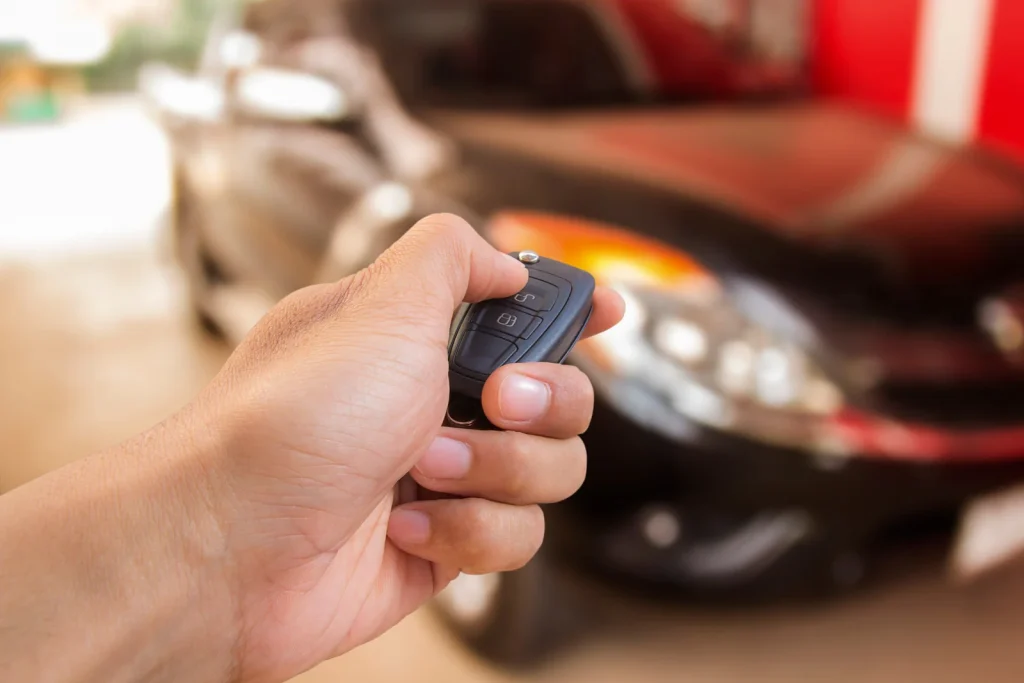
Most drivers don’t think about how their car key actually works until it stops working. Press the button, the car unlocks. Turn the key, the engine starts. The technology behind that sequence is more involved than it looks, and understanding even the basics of it helps you make better decisions when something goes wrong.
Remote key programming is the process of linking a key or fob to a specific vehicle so the car recognises and responds to it. Without that link, a correctly cut key blade won’t start a modern car, and a replacement fob won’t trigger the central locking. Getting it right requires specialist equipment and knowledge of each manufacturer’s security protocols.
This guide explains how the process works, covers the different key types you’ll encounter on UK roads, and tells you when it’s a job for a specialist rather than something you can sort yourself.
What Remote Key Programming Actually Is
When a car leaves the factory, its immobiliser system is set up to recognise a specific set of keys. Each key contains a transponder chip that broadcasts a unique encrypted code. The car checks this code every time you try to start the engine. If the code matches, it starts. If it doesn’t, it doesn’t.
Remote key programming is the process of writing a new code into a key’s chip so it matches what the car expects. On top of that, most modern keys also have a remote function for central locking and, on newer vehicles, proximity sensing for keyless entry. Each of these functions may need to be programmed separately, though in most cases a specialist handles all of it in a single visit.
The programming itself is carried out using diagnostic equipment connected to the vehicle’s OBD port, the same port used for MOT diagnostics. The equipment communicates directly with the car’s security system and authorises the new key. It’s not a process that can be done with a generic tool or a consumer device bought online for most modern vehicles.
The Different Key Types and What Programming Each One Involves
Basic Transponder Keys
These are the most common key type on UK roads for vehicles made from the mid-1990s onwards. The key blade is cut to match the lock profile, and the chip inside is programmed to match the car’s immobiliser. Both steps are needed. A correctly cut blade with an unprogrammed chip won’t start the car.
Programming is done via the OBD port or, on some older vehicles, through a specific ignition sequence. Most transponder key programming jobs take 30 to 60 minutes on site.
Remote Key Fobs
A remote fob combines the transponder chip with buttons for central locking and sometimes boot release. The transponder side and the remote side are often programmed separately, since they use different systems within the car. A common mistake is assuming a fob is fully working because the central locking responds, when the transponder hasn’t been coded and the car won’t actually start.
Fob programming can also be lost after a battery replacement on some older designs, or after the car’s own battery is disconnected. In these cases, the fob needs reprogramming even though nothing is physically wrong with it.
Smart Keys and Proximity Fobs
Smart keys, also called proximity keys or keyless entry fobs, communicate with the car continuously rather than only when a button is pressed. They allow hands-free door opening and push-button starting. The programming process is more complex than for a standard transponder key and requires up-to-date diagnostic software for the specific manufacturer.
These are the most expensive keys to replace and program, and the most common ones where drivers are wrongly told by a dealer that specialist tools only available at the manufacturer level are required. In practice, a well-equipped independent specialist can program smart keys for all major manufacturers.
Digital Keys
True digital keys, where a smartphone or wearable replaces the physical fob entirely, are a different category. These are manufacturer-controlled features that pair through the vehicle’s own app infrastructure rather than through traditional key programming. They’re found on a growing number of newer models but aren’t yet widespread on the general UK car parc.
If your vehicle supports digital key functionality, setup is handled through the manufacturer’s app rather than through a locksmith. What a specialist can help with is the physical key or fob that sits alongside the digital key system as a backup.
When You Actually Need a Specialist for Remote Key Programming
Some older vehicles support self-programming sequences where you cycle the ignition a set number of times to enter a programming mode, then press a button on the fob. This works on a limited number of makes and models, mostly pre-2005 vehicles, and the procedure varies significantly between them. If you find a guide online for your specific car, it may be worth trying before calling anyone.
For anything made in the last fifteen years or so, and for any vehicle with a smart key or transponder system, self-programming is generally not possible. The security systems on modern cars are intentionally designed to prevent unauthorised key addition without specialist tools. This is a theft deterrent, not an inconvenience.
If you need a key programmed and aren’t sure what type your vehicle uses, our car key programming service page, covers the full range of systems we work with.
Does It Have to Be Done at a Main Dealer?
No. This is one of the most persistent myths in automotive locksmithing. Main dealers do have access to manufacturer-level programming tools, but so do well-equipped independent specialists. The same OBD-based protocols used by a dealer can be accessed by a mobile auto locksmith with the right diagnostic equipment.
The practical difference is cost and convenience. A dealer will typically require you to book in advance, may need to order the key blank, and will charge significantly more for the same job. A mobile locksmith comes to your location, carries the blanks, and completes the programming on site in a single visit.
For context on how costs compare between the two options, our car key replacement cost guide, breaks down the price differences by key type.
The Society of Motor Manufacturers and Traders publishes data on the UK car parc, which gives useful context on how many vehicles on UK roads are likely to need specialist programming rather than simple key cutting. Their statistics are available at
What to Have Ready When You Call a Specialist
Before calling for remote key programming, have your vehicle’s make, model, year of manufacture, and registration number to hand. This lets the specialist confirm they have the correct blank and the right programming capability for your vehicle before setting off.
Also have proof of ownership ready, either your V5C logbook, insurance documents, or photo ID alongside the registration. A reputable specialist will always ask for this before carrying out any key programming. It’s a safeguard for you as much as for them.
The Bottom Line
Remote key programming is the step that turns a cut key blank into a working key. Without it, a modern car won’t start, regardless of how well the blade is cut. It’s not a job that can be done at a market stall or with a consumer tool on most vehicles made in the last fifteen years. It requires specialist diagnostic equipment and knowledge of each manufacturer’s security system.
Keygrammer covers Peterborough and a 35-mile radius, available 24 hours a day. If you need a key or fob programmed, call 07723 427101 for a fixed quote before we set off.
Remote Key Programming — Frequently Asked Questions
Q1: What is remote key programming?
Remote key programming is the process of linking a replacement or additional key to a specific vehicle so that the car’s immobiliser recognises it and the engine will start. It also covers programming the remote functions of a key fob, such as central locking and boot release, so they work correctly with the vehicle. Both steps are usually carried out together using specialist diagnostic equipment connected to the car’s OBD port.
Q2: Can I program a car key myself?
On some older vehicles, a self-programming sequence using ignition cycles and button presses is possible, but this is limited to a small number of makes and models, mostly pre-2005. For the majority of modern vehicles, self-programming is not possible because the security systems are designed to prevent it without specialist diagnostic tools. Attempting an incorrect programming sequence can sometimes lock out the system temporarily.
Q3: What equipment is needed to program a car key?
Professional car key programming requires specialist diagnostic equipment connected to the vehicle’s OBD port. This equipment communicates directly with the car’s immobiliser and security system to authorise the new key. The exact tools required vary by manufacturer. Consumer-level devices available online are not compatible with most modern vehicle security systems and won’t complete the programming on the majority of UK cars.
Q4: How long does remote key programming take?
Standard transponder key programming typically takes 30 to 60 minutes on site. Remote fob programming is often completed in the same visit and adds minimal extra time. Smart key and proximity key programming takes a little longer due to the more complex communication protocols involved. All keys lost programming, where no working key exists, takes between 60 and 90 minutes in most cases.
Q5: Do I need to go to a main dealer to get my car key programmed?
No. A specialist mobile auto locksmith with professional diagnostic equipment can program keys for all major manufacturers using the same OBD-based protocols as a dealer. The result is identical. The practical differences are cost and convenience: a mobile locksmith typically costs significantly less, comes to your location, and completes the job the same day without requiring a prior booking or parts order.
Q6: Why won't my new key start the car even though it's been cut correctly?
A key that has been cut to the correct profile but not programmed won’t start a modern vehicle. The car’s immobiliser requires the transponder chip inside the key to broadcast a matching code before allowing the engine to start. Cutting the blade gives you physical access to the ignition barrel, but programming is what gives the car permission to start.
Q7: My key fob lost its programming after the battery was changed. Why?
Some key fob designs lose their pairing with the vehicle when the battery is fully removed and replaced, particularly on older fob types. The fob itself is usually undamaged. It simply needs reprogramming to the car. Make sure the replacement battery is the correct type and correctly seated before assuming reprogramming is needed, since a poorly installed battery produces the same result.
Q8: Can you program smart keys and proximity fobs?
Yes. Smart key and proximity fob programming requires up-to-date diagnostic software for the specific manufacturer, but it’s within the capability of a well-equipped independent specialist. All major manufacturers are covered, including BMW, Audi, Mercedes, Volkswagen, Toyota, Ford, Kia, Land Rover, and others. Call with your make, model, and year and we’ll confirm capability before setting off.
Q9: What is a digital car key and is it the same as remote key programming?
A true digital key is a manufacturer-controlled feature that allows a compatible smartphone or wearable to replace the physical fob entirely, using NFC or UWB technology. It’s set up through the manufacturer’s own app rather than through a locksmith. This is different from remote key programming, which refers to coding a physical key or fob to a vehicle. Digital key features are available on a growing number of newer models but aren’t yet common across the general UK car parc.
Q10: How much does remote key programming cost?
The cost depends on the key type and your vehicle’s make and model. Basic transponder key programming is generally less expensive than smart key or all keys lost programming. A mobile auto locksmith will typically cost significantly less than a main dealer for the same job. Call Keygrammer on 07723 427101 for a fixed quote based on your specific vehicle before committing to any work.
Q11: What information do I need when calling about key fob programming near me?
Have your vehicle’s make, model, year of manufacture, and registration number ready. This allows the specialist to confirm they have the correct blank and programming capability before setting off, which avoids wasted journeys and means the job can almost always be completed in one visit. Also have proof of ownership available, such as your V5C logbook or insurance documents, as any reputable locksmith will ask to see this.
Q12: Can you program a car key near Peterborough?
Yes. Keygrammer covers Peterborough and a 35-mile radius, operating 24 hours a day. We carry professional diagnostic equipment for all major manufacturers and program transponder keys, remote fobs, and smart keys on site at your location. Call 07723 427101 for a quote and we’ll confirm availability and an estimated arrival time.